
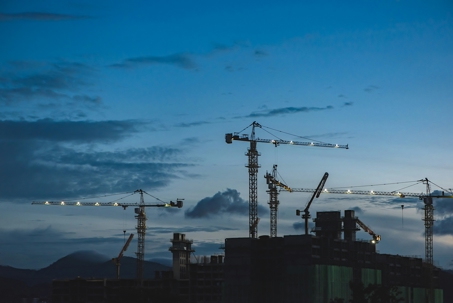
Construction sites are among the most dangerous workplaces in the United States, and few accidents are as devastating as those involving cranes. These massive machines are essential to modern construction projects, but when something goes wrong, the consequences can be catastrophic. Crane accidents often result in severe injuries, fatalities, extensive property damage, and complicated questions of liability.
At Tomlinson Bomsztyk Russ (TBR Law), we understand the complexities surrounding construction accident claims and help injured individuals and families pursue the compensation they deserve.
Why Are Crane Accidents So Dangerous?
Cranes are designed to lift and move extremely heavy loads. Even a minor error or mechanical failure can cause tons of material to fall unexpectedly. Because cranes are often operated near workers, pedestrians, and neighboring properties, accidents can affect more than just those directly involved in a construction project.
Common types of crane accidents include:
- Collapsed cranes
- Falling loads or debris
- Contact with power lines
- Equipment malfunctions
- Boom failures
- Tip-over accidents
- Struck-by accidents involving workers or bystanders
- Rigging failures
These incidents frequently lead to traumatic brain injuries, spinal cord injuries, fractures, burns, crush injuries, and wrongful death.
Common Causes of Crane Accidents
Many crane accidents are preventable. They often occur because of negligence or a failure to follow established safety standards.
Operator Error
Improper operation, inadequate training, or failure to recognize unsafe conditions can contribute to serious accidents. Crane operators must be properly certified and trained to safely perform lifting operations.
Improper Assembly or Maintenance
Cranes require regular inspections and maintenance. Mechanical failures caused by worn parts, defective components, or improper assembly can lead to devastating collapses.
Overloading the Crane
Every crane has specific weight limitations. Exceeding those limits can destabilize the equipment and cause tip-overs or structural failures.
Inadequate Site Planning
Construction companies must assess ground conditions, weather, and nearby hazards before crane operations begin. Poor planning can increase the likelihood of accidents.
Failure to Follow OSHA Regulations
The Occupational Safety and Health Administration (OSHA) has established strict safety requirements for crane operations. Violations of these standards can expose contractors and employers to liability.
Who May Be Liable for a Crane Accident?
Determining responsibility after a crane accident can be complicated because multiple parties may be involved. Potentially liable parties include:
General Contractors
General contractors are responsible for maintaining safe work environments and coordinating activities on construction sites. Failure to enforce safety protocols may lead to liability.
Subcontractors
Subcontractors responsible for crane operations or rigging may be held accountable if their negligence contributed to the accident.
Equipment Manufacturers
If a defective component or design flaw caused the accident, the crane manufacturer or parts supplier may face product liability claims.
Property Owners
In some circumstances, property owners may share responsibility if dangerous conditions contributed to the incident.
Maintenance Companies
Third-party companies responsible for inspecting or servicing crane equipment may be liable if negligent maintenance played a role.
Injuries Commonly Associated With Crane Accidents
Crane accidents frequently result in life-changing injuries, including:
- Traumatic brain injuries
- Spinal cord injuries and paralysis
- Internal organ damage
- Broken bones
- Severe burns
- Crush injuries
- Amputations
- Wrongful death
Victims often require extensive medical treatment, rehabilitation, and long-term care.
Compensation Available After a Crane Accident
Individuals injured in construction-related crane accidents may be entitled to compensation for:
- Medical expenses
- Future medical care
- Lost wages
- Loss of earning capacity
- Pain and suffering
- Permanent disability
- Emotional distress
- Wrongful death damages for surviving family members
Because construction accident cases frequently involve multiple parties and insurance companies, obtaining experienced legal representation can be critical to protecting your rights.
How Evidence Can Impact a Crane Accident Claim
Prompt investigation is essential. Important evidence may include:
- OSHA reports and citations
- Accident scene photographs
- Maintenance and inspection records
- Witness statements
- Employment records
- Surveillance footage
- Equipment specifications
- Expert engineering analysis
Preserving evidence early can make a significant difference in establishing liability and maximizing compensation.
How TBR Law Can Help
Crane accident cases are often complex and require a thorough understanding of construction law, workplace safety regulations, and personal injury litigation. At Tomlinson Bomsztyk Russ, our attorneys work to investigate accidents, identify responsible parties, and pursue full compensation for injured workers and families.
If you or a loved one has been injured in a construction accident involving a crane, you do not have to navigate the legal process alone. Our team is committed to protecting your rights and helping you seek the financial recovery you need to move forward.
Contact TBR Law today to schedule a consultation and learn how we can help after a serious construction crane accident.